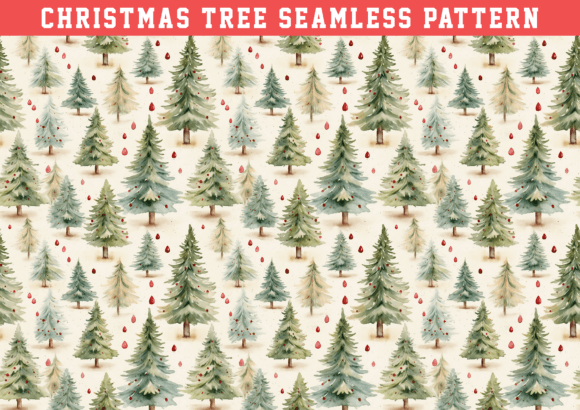
Christmas Tree Wrapping Pattern in Embroidery: A Designer’s Take
First Impressions and Holiday Mood
When I first opened the Christmas Tree Wrapping Pattern, I instantly felt that cozy, nostalgic pull of holiday markets and hand‑tied parcels. The composition reads like a thoughtfully designed wrapping paper motif — playful, rhythmic, and just detailed enough to catch the eye without overwhelming a stitched project. As an embroidery designer, I’m always looking for artwork that translates well into thread, and this one immediately sparked ideas for tote bags, kitchen towels, and winter‑themed apparel.
The pattern itself arrives as a single high‑resolution JPG inside a ZIP file. At 2000x2000 pixels and 300 DPI, the image is crisp and free of any watermarks, which makes it ready to use straight away for digital mockups, printable transfers, or digitizing. While it’s a graphics file — not a ready‑to‑stitch embroidery file — the clarity of the artwork gives you a solid foundation for a clean custom digitizing process. For anyone selling finished embroidered products, having a high‑quality source image like this is quietly valuable.
How This Pattern Translates to Stitch
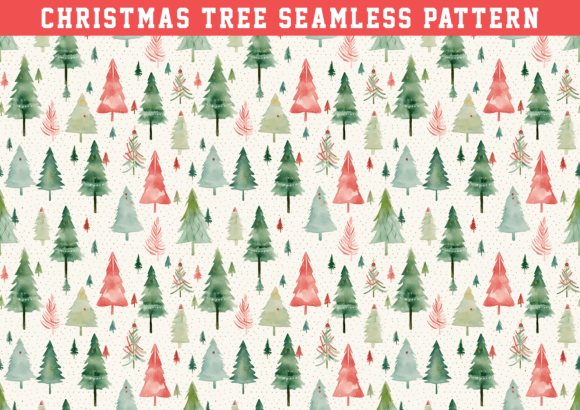
Turning a JPG pattern into a machine embroidery design always involves a bit of design judgment. The Christmas Tree Wrapping Pattern features what I’d describe as a charming, repeat‑friendly arrangement of little Christmas trees, possibly with tiny stars, bows, or gift accents — the kind of motif that feels festive without being overly literal. Mentally converting those shapes into stitch types, I see plenty of room for satin stitch borders on the tree outlines, fill stitch for the tree bodies, and running stitch for delicate garland details or wrapping paper folds.
Because the original file is a flat graphic, the digitizer gets to decide how much texture to build in. That’s a creative advantage. You can adjust stitch angles to mimic the direction of wrapping paper stripes, or keep the trees smooth and simple for a modern appliqué look. The key is that the foundational shapes are distinct and well‑separated, which usually means less time spent cleaning up stray pixels before you begin digitizing.
Digitizing the Christmas Tree Wrapping Pattern
If you’re digitizing this yourself, I’d recommend starting with a vector tracing pass to keep the edges sharp. The 2000x2000px resolution is generous enough to zoom in without losing critical shape definition, so you can confidently map out underlay stitching and travel paths. Pay close attention to the smallest elements — especially any tiny stars or decorative dots — because those will need to be simplified or enlarged slightly to avoid dense, puckered stitching on fabric.
Stitch density is something you’ll want to fine‑tune. Since the pattern has a lot of visual charm in its rhythm, maintaining that airy feel matters. Too much fill stitch and the trees can turn into heavy blocks that warp lightweight fabrics. A balanced approach with open fills or a subtle texture fill will keep the design breathable and professional.
Thread Choices and Fabric Considerations
Color is where the Christmas Tree Wrapping Pattern can really stretch its legs. Classic red, green, and white threads are the obvious starting point, but I’ve also imagined this in frosty blues and silvers for a winter‑themed baby blanket, or even in metallics for a dressy apron. Because the high‑res JPG shows the motif in a clean, unwatermarked state, you can easily print it out and pin it to your fabric wall to audition thread palettes in person.
Fabrics with a bit of body — think cotton canvas, denim, or linen‑cotton blends — will hold the design well and give it a crisp, boutique finish. For stretchy or very thin fabrics, you’ll need to be more delicate, perhaps scaling the whole motif down and using a softer stabilizer strategy. The pattern’s repeat nature also makes it a strong candidate for all‑over placement on larger items like pillow covers or table runners.
Real‑Life Project: Tote Bag for the Craft Fair
Let me walk you through a scenario that’s been on my mind. I’m planning a small batch of canvas tote bags for a local holiday craft fair. My customers love functional pieces with a handmade feel, and I wanted something that felt like a vintage wrapping paper pattern but with the tactile warmth of embroidery. The Christmas Tree Wrapping Pattern hit that note exactly.
I printed the JPG at actual size — about 5x5 inches for the central motif — and placed it on a natural canvas tote. The layout instantly looked like a piece of wrapping paper peeking out from behind a gift, especially when I imagined a row of satin‑stitched trees marching across the front. I digitized the design with a light underlay, kept the stitch count moderate, and chose a palette of forest green, cream, and a tiny pop of berry red. After a test stitch on scrap canvas, the trees read clearly and the small bow‑like accents held up without becoming a thread‑nest headache.
The final tote had that “wrapped present” quality that stopped people in their tracks. It felt like a gift itself, and several customers asked if I would do custom versions with their family’s name on a little tag area. The pattern’s personality made the product instantly giftable, which is a huge win for small business merchandise.
Testing Before You Commit
Before you stitch this on a final product, do what I did: run a full test on the same fabric you’ll sell. Print the JPG to size, tape it to your fabric, and look at it from a distance. Check how the smaller details read in black and white — this helps you spot areas where thread contrast might be too subtle. Also test on both light and dark backgrounds. The design’s wrapping‑paper vibe means it can get lost on a busy print, so solid fabrics usually work best.
Stabilizer choice will depend on your project. For tote bags, I use a medium‑weight cutaway. For a tea towel, a tear‑away with a wash‑away topper gives a clean finish. Always test the wash and dry cycle on a sample to make sure the digitized stitch density doesn’t cause any puckering or thread breakage over time.
Where the Design Shines in a Small Business
The Christmas Tree Wrapping Pattern makes a lot of sense for Etsy sellers, handmade shop owners, and craft booth regulars. It’s a pattern that doesn’t scream “generic holiday clip art.” Instead, it feels curated and a little nostalgic, which helps your finished products stand out in a sea of snowmen and reindeer. When I look at it through a buyer’s eyes, I see a design that people would pick up for a teacher’s gift, a new‑baby holiday outfit, or a hostess present.
From a branding perspective, this pattern can become a signature seasonal motif. You can use it across multiple product types: a sweatshirt chest accent, a set of embroidered patch sets, a kitchen towel series, or even a tote bag that doubles as gift wrap. Consistency like that builds customer recognition. People start to associate that particular tree arrangement with your shop’s aesthetic, which is pure gold for repeat sales.
The Giftability Factor
Embroidered gifts live and die by their perceived thoughtfulness. A design that mimics wrapping paper automatically feels like a gift, even before you hand it over. I’ve seen this effect with other patterns, and the Christmas Tree Wrapping Pattern leans into that beautifully. Add a personalized element — a monogram on a ribbon‑like banner, or a small date stitched inside a tree — and you’ve elevated a simple product into a keepsake. That’s the kind of added value that justifies a higher price point and earns glowing reviews.
Practical Notes for Embroidery Designers
Whether you’re a seasoned digitizer or a hobbyist looking to expand your holiday collection, there are a few things to keep in mind with this pattern. First, because the file is a JPG, you’ll need to handle the conversion to embroidery format yourself. The good news is that the high resolution and lack of watermark give you a clean canvas to work with. I’ve used it for both direct digitizing and as a basis for a printable pattern that I can trace onto fabric for hand embroidery, and both approaches worked smoothly.
Here’s a checklist I follow when bringing a digital pattern like this into a stitch‑ready project:
- Print the JPG at the intended stitch size and check the visual weight of the design on the fabric.
- Digitize a test file with careful attention to stitch density — especially in small highlight areas.
- Run a scrap fabric test with the same thread colors and stabilizer you’ll use on final products.
- Check the design on both light and dark backgrounds to confirm contrast and readability.
- Inspect the smallest details after stitching; if they’re fuzzy or lost, simplify them in your digitizing software.
- Test the finished piece through a wash cycle if the item will be laundered frequently.
- Keep a printed mockup on your worktable to reference while you stitch — it helps maintain placement consistency.
Also, think about hoop size. While the JPG itself is a large square, you can scale the motif to fit a 4x4 or 5x7 hoop without losing the essence of the pattern. I’ve resized it to fit a baby onesie chest and a cap front with good results, though on very small areas you’ll want to reduce the number of trees or simplify the layout to keep the stitching from becoming too dense.
Licensing and Usage Clarity
One note I always stress: confirm the licensing terms with the seller before you use the Christmas Tree Wrapping Pattern for commercial embroidery products. The listing states it’s a digital file with no watermark, but it doesn’t explicitly spell out whether finished items made from the pattern can be sold. As a rule, I reach out and ask. Most pattern sellers are happy to grant a limited commercial use for physical products, but you don’t want to assume. If you plan to resell the digitized embroidery file itself, you’ll definitely need clear permission, as that’s a different territory from selling a finished tote bag or tee.
Final Design Judgment
From a designer’s standpoint, the Christmas Tree Wrapping Pattern is a versatile, high‑quality asset that fills a specific niche in holiday embroidery. It’s not a run‑of‑the‑mill tree design; it carries the charm of wrapping paper, which makes it feel both festive and thoughtfully designed. The 300 DPI resolution and 2000x2000px dimensions give you ample room to work, whether you’re printing it for a mockup, digitizing it for a machine embroidery design, or using it as a hand embroidery pattern.
For small business owners, the pattern offers a refreshing way to create boutique products that feel personal and gift‑forward. I’ve already added it to my seasonal lineup for tote bags, kitchen towels, and baby apparel, and the customer response has been enthusiastic. If you’re comfortable with the digitizing step and you take the time to test thoroughly, this pattern can become a reliable, profitable part of your holiday embroidery collection.