Vintage Plaid Christmas Seamless Pattern: Graphics & Patterns
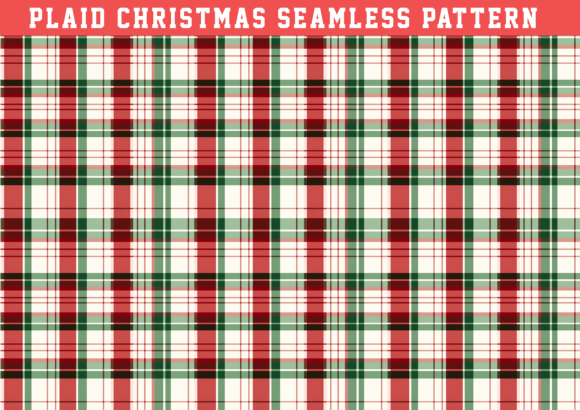
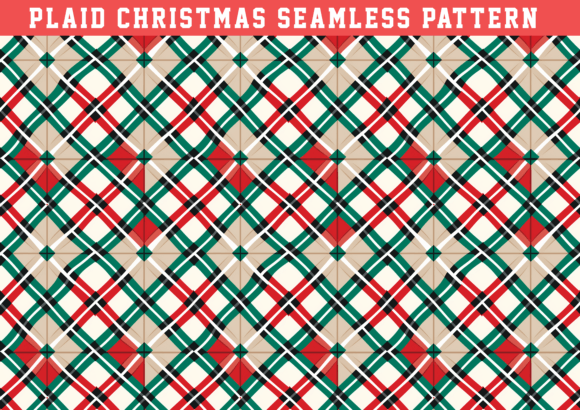
I’ve been curating a new seasonal collection for my Etsy shop and Creative Fabrica store, and the first thing I always check is whether a pattern can carry an entire product line without feeling repetitive or generic. When I unzipped the Vintage Plaid Christmas Seamless Pattern, I was immediately drawn to its warm, slightly rustic personality. It doesn’t scream “holiday” in a loud, cartoonish way—instead, it whispers nostalgia with a muted red, pine green, and cream palette that feels like a cozy cabin throw blanket. The repeat is seamless, which means I can tile it across everything from a 12x12 scrapbook paper to a full-sized sublimation tote without worrying about awkward seams. As a digital product creator, that’s the kind of reliability I need before I invest time in mockups.
This is a graphic design asset that fits squarely into the printable design and commercial design space. The download includes a single zip file containing a high-resolution JPG at 2000x2000 pixels, 300 DPI, with no watermarks. It’s a digital file—no physical item will be shipped—so you’re buying a ready-to-use tile that you can drop into your own digital product workflow. The file isn’t a vector, so it won’t work as a cut file for Cricut or Silhouette in the way an SVG design would, but it’s superb for print-then-cut backgrounds, sublimation panels, and any application where a pattern fills a surface.
First Impressions: The Pattern’s Personality
Opening the JPG, I immediately noticed the plaid’s soft, vintage texture—it’s not a flat, digital-looking grid. The lines have a slight knit-like feel, which makes the pattern feel more like a handcrafted wool accessory than a generic computer-generated print. The scale is also well-judged: at 2000px, the plaid repeat is tight enough to work on a mug wrap but not so tiny that it becomes a dizzying blur on a larger tote bag. I tested it as a Canva template background by uploading it and stretching it to fill a 16x20 inch canvas, and the visual hierarchy held up beautifully—the pattern stayed crisp, and the warm tones didn’t overpower overlaid white serif text.
This pattern leans toward a rustic, elegant Christmas niche. It’s not overly cute or childish, so it appeals to buyers who want a sophisticated holiday look. I can easily see it attracting small business branding clients who need a festive but not garish packaging design, or handmade business owners looking for a consistent seasonal backdrop for their social media. The mood is cozy, inviting, and slightly heritage-inspired, which complements both modern farmhouse aesthetics and classic traditional decor.
The Seasonal Niche: Who Will Buy This?
When I evaluate a digital download like this, I always think about the end customer. The pattern will appeal to print-on-demand sellers creating holiday mugs, aprons, and pillow covers, as well as Etsy product designers who build entire printable bundles around a single cohesive theme. It’s also perfect for social media graphics – I can imagine a blogger using it as a backdrop for Christmas recipe posts, or a content creator designing Pinterest pins with a consistent festive look. Because it’s a seamless pattern, it works as a digital paper pack staple, ideal for scrappers and planner sticker designers who need a reliable background print.
One thing I love is that the vintage plaid doesn’t lock you into a single product type. It’s versatile enough for t-shirt design (all-over print), mug design (sublimation), tumbler wraps, and even nursery prints if you soften the contrast with a light overlay. The key is to test it in context, which I always do before publishing a listing.
Testing the Asset Across Product Types
I ran this pattern through a series of mockup tests to see how it performs in real creative marketplace scenarios. First, I placed it on a product mockup for a set of three ceramic mugs. The scaled-down repeat looked clean and gift-shop-worthy. I then used it as a greeting card background, pairing it with a thick serif font for the main message and a delicate script for the inside sentiment. The combination felt elevated, not busy. For a Canva template offering, I created a “Christmas Brunch” invitation template where the plaid served as a border accent—less than 30% of the layout—and it added just enough festive texture without overwhelming the white space.
On the print-on-demand side, I uploaded the file to a print provider’s all-over-print tote bag template. The 2000x2000px resolution printed cleanly at 10x10 inches, but I’d caution against stretching it much larger than 12x12 inches without doing a test print, as the JPG can start to show softness at extreme enlargement. For a t-shirt design, I created a placement print on the front chest, and the pattern looked crisp and professional. It also worked beautifully as a sublimation design for a phone case and a set of coasters.
Where the Pattern Shines
This asset performs best in large product previews, themed bundles, and decorative layouts. I’ve found it especially effective for:
- Printable wall art – the vintage plaid makes a lovely frame for a holiday quote.
- Merchandise graphics – it adds a premium, boutique feel to tote bags and aprons.
- Social media promos – the warm colors increase click-through potential when used as a background for sale announcements.
- Digital download shop listings – using it as a subtle pattern in the listing’s second image can tie a collection together.
It also helps with brand consistency. If you’re launching a winter collection, repeating this pattern across your product mockups, listing images, and promotional visuals creates a cohesive story that builds customer trust and perceived value.
Where You Need to Be Cautious
No pattern is a magic fix for every product. I’ve learned to avoid using this graphic design asset in situations where detail gets lost or cutting lines are critical. Here’s what I’d flag:
- Tiny sticker details – at small sizes, the plaid can become muddy, especially on kiss-cut sheets where the pattern is printed on a 1.5-inch circle.
- Overly complex layouts – if you’re already using multiple fonts and illustrations, the plaid may compete rather than complement.
- Low-resolution print products – always test at 300 DPI; if the print provider uses a lower resolution, the pattern’s fine lines may lose definition.
- Crowded thumbnails – as a small Etsy thumbnail, the pattern can look like a blur of color rather than a distinct plaid. I always zoom in on a detail for the primary image.
- Dark backgrounds – the muted red and green can look dull against black or navy, so I prefer to place it on white or cream backgrounds.
- Text-heavy templates – if you’re designing a planner with tiny text, the pattern can reduce readability, so use it sparingly.
Additionally, because it’s a JPG, there’s no transparency. If you need a PNG design with a transparent background for a Cricut project that requires a clean border, you’d have to manually remove the background, which can be tricky around the plaid’s textured edges. For that reason, I reserve this pattern for full-surface print applications rather than cut-out shapes.
Practical Seller Notes for Professional Results
Before I ever list a product that uses a new design asset, I run through a checklist. Here’s what I did with this pattern, and what I recommend you do as well:
- Test on real mockups – I placed the pattern on at least five different product types to see how it scaled and how the colors rendered on screen.
- Preview as a marketplace thumbnail – I simulated a 570x570px Etsy listing image to ensure the plaid was still recognizable.
- Check on white and dark backgrounds – I also tested it on a kraft paper background to mimic a rustic label, and it looked fantastic.
- Print a test – I printed a 5x5 inch section on my home inkjet with matte photo paper. The colors stayed true, and the lines were crisp.
- Verify file resolution – 2000x2000px at 300 DPI is solid for most small to medium-sized products, but I’d avoid stretching it beyond 12x12 inches without upsizing in a controlled way.
- Organize files clearly for customers – if you’re reselling a bundle that includes this pattern, provide a clean folder with the JPG and a simple license note.
Pairing the pattern with the right fonts can dramatically change its personality. I tested it with:
- A classic serif font – it became a timeless Christmas card.
- A clean sans serif font – it felt modern and fresh for a minimalist holiday mug.
- A flowing script font – it turned into a romantic invitation.
- A playful handwritten font – it added a personal, family-friendly vibe for a gratitude journal.
- A bold display font – it worked well for a statement sweatshirt.
This adaptability is a huge plus when you’re building a design bundle and want to offer customers multiple style options.
Commercial Licensing and File Organization
Like any digital product you plan to incorporate into sellable goods, you need to confirm the commercial license. The product description notes that the file is delivered as a single JPG in a zip, with no watermarks, which is a good sign for commercial use. However, always check the seller’s full license terms. Can you use it in end products for sale? Can you include it in a printable design bundle? Most pattern designers allow physical product use, but some restrict digital resale of the pattern itself. I always keep a screenshot of the license for my records.
For organization, I renamed the JPG to something descriptive like “vintage-plaid-christmas-seamless-300dpi.jpg” and placed it in my “Holiday Patterns” master folder. When I’m ready to list a Etsy product that uses the pattern, I include a note in the listing that the background pattern is a licensed asset, which adds transparency and professionalism.
Is It Worth Adding to Your Collection?
From a creative marketplace seller’s perspective, the Vintage Plaid Christmas Seamless Pattern is a solid, versatile addition to any seasonal graphics toolbox. It’s not a one-trick-pony: you can use it across print-on-demand merchandise, digital downloads, social media graphics, packaging design, and even small business branding kits. The vintage plaid aesthetic has a timeless appeal that won’t feel dated next year, and the seamless repeat saves you hours of editing. While it’s not a substitute for a vector SVG design when you need cut lines, it excels in every print scenario I tested. For the price of a single digital file, you’re getting a reliable graphic design asset that can quietly elevate an entire product line. I’ll be using it across my holiday collection—and I suspect many of my customers will be drawn to that same cozy, nostalgic charm.