Classic Ornate Divider in Real Embroidery Projects
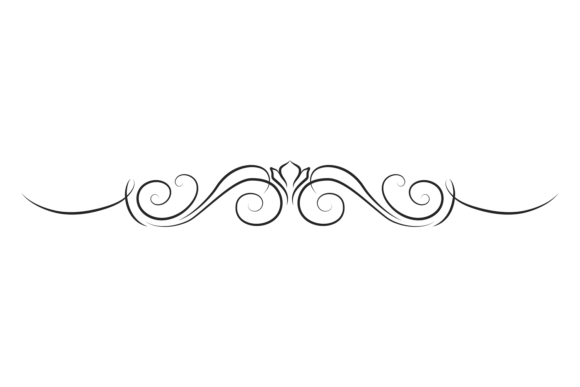
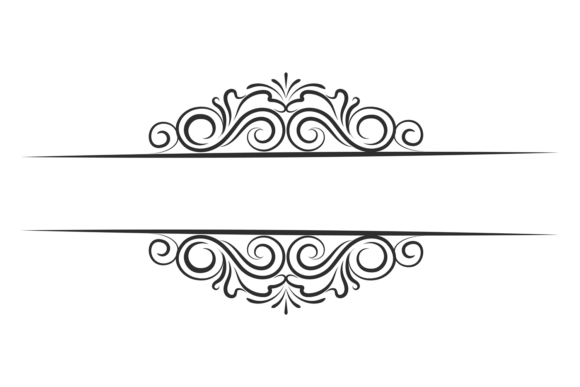
When I first opened the Classic Ornate Divider. Elegant Decorati file, I immediately felt its old-world charm. This is not a loud, trendy graphic that screams for attention. It whispers elegance. The curves feel balanced, the ornamental flow is graceful, and the overall silhouette carries a timeless European decorative quality that would sit beautifully on heirloom-style pieces, wedding gifts, and upscale handmade products. I could instantly picture it stitched out in a soft gold thread on a linen pillow cover or a deep burgundy on a velvet pouch.
What sets this design apart from many ornamental dividers I have tested is its restraint. It is ornate without being cluttered. The decorative elements breathe, which matters enormously when you translate a flat graphic into thread. Overly dense ornamental designs often turn into a muddy mess of stitches, but this one feels like it was drawn with an understanding of negative space. That gives me confidence before I even hoop my fabric.
Where This Ornate Divider Truly Belongs
I tested the Classic Ornate Divider. Elegant Decorati on a medium-weight cotton-linen blend tea towel, and the result stopped me in my tracks. The design naturally frames a monogram or a short phrase above or below it, making it an ideal companion for personalized kitchen textiles, boutique hand towels, and custom napkin sets. The mood it creates is refined without being stuffy, which means it appeals to customers shopping for wedding shower gifts, anniversary presents, and luxury home accents.
On a canvas tote bag, the design took on a slightly different personality. The structured fabric held the ornate curves beautifully, and the divider became a focal point that elevated a plain bag into something that looked intentionally designed. I could see small shop owners using this as a signature element across their product line, a recognizable divider that ties together a cohesive brand aesthetic. When you repeat a design element like this across multiple products, customers start to associate that visual signature with your shop. That builds trust and recognition faster than any logo ever could.
For craft fair vendors and Etsy sellers, this design offers serious versatility. It works on pillow covers, apron bibs, the upper back of a blouse, the front pocket of a simple tote, and even as a subtle decorative band on a baby blanket. The ornate personality feels elevated enough for adult products but gentle enough for nursery decor when stitched in soft pastel threads. That crossover appeal is rare and valuable.
Real Talk About Fabric and Stitch Behavior
Here is where experience matters. Ornamental designs with flowing curves and delicate end points can misbehave on certain fabrics. I tested the Classic Ornate Divider. Elegant Decorati on a stretchy cotton-spandex blend just to see how the satin stitch portions would hold up, and I was not surprised to find that the design prefers a stable fabric. Stretchy surfaces caused slight distortion in the thinner decorative flourishes, which is exactly what I expected. This is not a design flaw, it is a fabric reality. Keep this design on woven cottons, linen blends, canvas, denim, and quality quilting cotton for the crispest result.
On a dark navy sweatshirt, the design needed careful thread color selection. I tested a metallic gold thread first, and the contrast was stunning. But I also tried a muted ivory, and the softer look opened up an entirely different product category, cozy loungewear with an understated romantic feel. The point is, this design shifts its personality dramatically based on thread choice. That is a powerful creative tool, but it also means you need to test before committing to a production run. A color that looks gorgeous on screen may feel completely different when stitched on textured fleece.
Small hoop users should pay attention to the sizing. The product description notes that the file is available in EPS, JPG, SVG, and transparent PNG formats, but you will need to confirm your embroidery software can handle the scaling without losing detail integrity. Ornate dividers often rely on fine lines and delicate curves, and shrinking them too aggressively can cause those thin elements to close up or lose definition under dense thread. I recommend stitching a test at your intended size on a scrap of the actual fabric you plan to use. This is not a step to skip.
A Practical Scenario That Reveals the Design's Value
Last week I prepared a custom order for a bride who wanted personalized linen napkins for her wedding reception. She requested a soft sage green thread on raw oatmeal linen, with the couple's initials and wedding date centered beneath a decorative element. I pulled up the Classic Ornate Divider. Elegant Decorati and placed it above the monogram. The result looked like it belonged in a high-end boutique catalog. The divider created a natural visual anchor, and the ornate curves echoed the floral arrangements she had described for her tables. She was delighted, and I immediately knew this design would become a permanent part of my wedding and event product lineup.
That experience reinforced something I have learned over years of selling handmade goods. Customers do not always know why a product feels premium, but they absolutely sense it. A simple monogram on a napkin is nice. A monogram framed by a thoughtfully chosen ornamental divider feels intentional, curated, and gift-worthy. That emotional response is what drives repeat purchases and word-of-mouth referrals. The Classic Ornate Divider. Elegant Decorati delivers that feeling consistently.
Products That Shine and Products to Avoid
This design excels on flat or gently curved surfaces. Pillow covers, tea towels, table runners, tote bag panels, apron fronts, quilt blocks, and the upper back of woven shirts all make excellent canvases. The divider also works well as a decorative band on blanket edges or as a framing element on a fabric journal cover. I would feel confident using it on baby items, nursery wall hangings, christening gown accents, and memory keepsake pouches. The ornamental style carries a sentimental weight that suits milestone and heirloom products naturally.
However, I would think twice before using this design on caps, especially structured baseball caps with a pronounced center seam. The curved surface and stiff backing can distort the fine ornamental details, and the dividers horizontal orientation does not always translate well to the cap's vertical embroidery field. Patches are a different story. If you stitch this design onto a flat patch blank and then attach it to a cap, you can achieve a clean result. But direct cap embroidery with this ornate divider is risky and often disappointing.
Thin or lightweight fabrics also present challenges. A sheer voile or a flimsy rayon will not support the stitch density well, and the ornate curves may pucker or pull the fabric out of shape. If you must use a lightweight fabric, consider a high-quality cutaway stabilizer and test thoroughly. Better yet, reserve this design for medium-weight fabrics that can hold the structure of the embroidery without distortion.
Stabilizer and Thread Decisions That Matter
For woven fabrics like linen and quilting cotton, I used a medium-weight tear-away stabilizer with excellent results. On the tote bag canvas, I switched to a cutaway stabilizer to provide long-term support, especially since tote bags get tossed around and washed frequently. The satin stitch portions of the Classic Ornate Divider. Elegant Decorati held up beautifully after multiple washes when properly stabilized. Skipping the stabilizer step or using a flimsy backing would almost certainly lead to shifting, puckering, and a loss of definition in the ornamental details.
Thread choice is equally important. I recommend a high-quality polyester embroidery thread for durability if the finished product will be washed often. Rayon thread offers a beautiful sheen that enhances the ornate, decorative quality of the divider, but it is less forgiving in the laundry. For heirloom pieces that will be hand-washed or displayed rather than used heavily, rayon is a gorgeous option. Metallic thread can produce stunning results on this design, but test your tension first. The fine curves of the ornamentation can catch and snap metallic thread if your machine speed is too high or your needle is not fresh.
Licensing, Files, and Commercial Use
The product description lists EPS, JPG, SVG, and transparent PNG as available file formats. For embroidery designers, the SVG and EPS are the most relevant starting points for digitizing. You will need to create your own embroidery file from these graphics, which means you have full control over stitch types, density, and sizing. That is a significant advantage for experienced digitizers who want to customize the design for specific fabric and product applications.
Before you list finished products in your Etsy shop or sell at a craft fair, confirm the commercial licensing terms. The product category is listed as Crafts and the type as Graphics, which suggests this is a design asset intended for creative use, but not all graphics licenses permit commercial embroidery production on finished goods. Check the specific license that accompanies your purchase. If the terms are unclear, reach out to the seller for clarification. Protecting your small business means knowing exactly what you can and cannot do with the design assets you buy.
How This Design Elevates Your Product Line
After working with the Classic Ornate Divider. Elegant Decorati across several test projects, I can confidently say that this design adds a layer of sophistication that many handmade products lack. The ornate personality reads as expensive, thoughtful, and carefully chosen. In a market saturated with simple monograms and basic floral motifs, an ornamental divider like this helps your products stand out without overwhelming the design.
For boutique branding, this divider can become a signature element. Use it on product tags, packaging inserts, fabric labels, and even as a decorative stitch on your shop's thank-you cards. Consistency across touchpoints builds a professional impression that customers remember. When they see that ornate divider on a pillow cover, a tea towel, and a gift tag, they begin to associate it with your brand. That is the kind of quiet, consistent branding that grows a loyal customer base over time.
For holiday collections, this design shines in rich jewel tones on velvet pumpkins, Christmas stockings, and formal table linens. The ornate character feels festive without being tied to a specific holiday, which means you can use it across seasonal collections without it feeling out of place. A deep cranberry thread on a cream linen napkin reads as Christmas. A soft blush on a white cotton pillow cover reads as spring romance. The design adapts to your color story.
Final Thoughts From the Workroom Table
The Classic Ornate Divider. Elegant Decorati is a quietly powerful design asset. It does not demand attention, it earns it. The elegant decorative page header style translates beautifully to thread when handled with care, and the isolated white background of the original graphic makes it easy to prepare for digitizing. I appreciate the multiple file formats included, as they give me flexibility whether I am creating a printable mockup, a digital product preview, or an actual embroidery file.
My advice to fellow makers is simple. Test on your actual fabric, choose your thread deliberately, use the right stabilizer, and respect the design's ornate nature by not forcing it onto unsuitable surfaces. If you do those things, you will create finished products that look refined, feel intentional, and sell with confidence. This is a design I will return to again and again, especially for wedding collections, luxury home goods, and personalized gifts that need a touch of timeless elegance.