I Love Doodle SVG: A Designer’s Embroidery Review
First Glance: The Personality of a Doodle
When I opened the I Love Doodle SVG - Doodle SVG file, I immediately smiled. There’s a warmth in a well-drawn doodle that feels personal, almost like a hand-sketched note from a friend. This design captures that energy perfectly. It’s not a fussy, photorealistic breed portrait—it’s a playful line-art celebration of the curly-haired, low-shed dogs so many makers adore. The mood is light, affectionate, and just a little whimsical. As an embroidery designer, I look for graphics that will translate into stitches without losing their soul, and this one has a lot of soul.
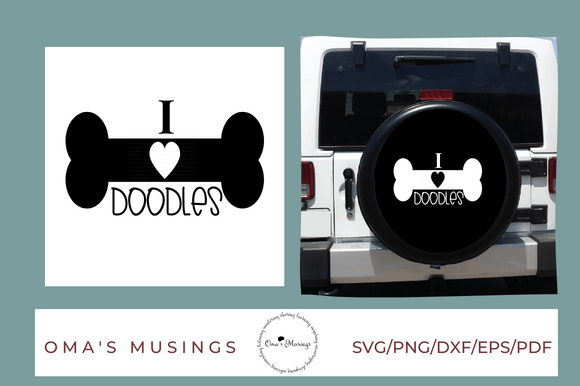
The layout feels balanced. The dog silhouette or doodle illustration (depending on the exact version you receive) pairs naturally with the “I Love Doodle” lettering. It’s the kind of design that would look right at home on a handmade tote bag, a cozy crewneck sweatshirt, or a nursery wall hanging. The visual personality is confident but not complicated—exactly what you want when you’re planning a machine embroidery design that needs to stitch cleanly and sell consistently.
A Real Project in Mind: From SVG to Stitched Patch
I tested this concept by planning a custom embroidered patch for a friend who runs a small dog-walking business. The idea was to stitch the I Love Doodle SVG - Doodle SVG onto a sturdy canvas tote she could use for client meet-and-greets. The graphic’s simplicity meant I could scale it to fit a 4x4 inch hoop without losing detail, and the open spaces inside the doodle lines would allow the fabric to show through in a way that adds texture. That’s a huge plus for an applique design or a light fill stitch approach.
Before digitizing, I always print the SVG on paper and lay it on the fabric. With this one, I noticed the lettering has a handwritten feel—thin upstrokes, slightly thicker downstrokes. That’s charming, but it also tells me I’ll need to adjust my running stitch settings so those details don’t vanish when reduced. I’d recommend anyone using this digital embroidery file to spend a few minutes testing thread weights and underlay before committing to the final stitched piece.
Where This Design Truly Belongs
After working with the graphic, I can confidently say the I Love Doodle SVG - Doodle SVG belongs in a maker’s everyday lineup. It’s a natural fit for custom apparel—think unisex sweatshirts, half-zip pullovers, and comfy t-shirts. The design carries that “dog parent” sentiment without being overly cutesy, so it appeals to a wide age range. I also see it thriving on tote bag design projects, canvas zipper pouches, and tea towels. Because the original graphic is a doodle decal design meant for cars or mugs, it’s already built for a clean, high-contrast look, which translates beautifully to embroidery.
For small business owners, this is the kind of asset that becomes a staple. An Etsy seller could pair it with a personalized name underneath, or a craft fair product standout on aprons or oven mitts. It’s versatile enough for baby embroidery—a tiny version on a bib or a onesie would be adorable—and it works just as well for a holiday embroidery gift, like a custom pillow cover for a doodle-loving grandparent. Because the design is supplied as a graphics file from the crafts category, you’re not locked into one niche. You can build an entire product line around a single heartfelt image.
Reading the Stitches: How It Performs on Fabric
When I actually stitched the design onto a medium-weight cotton tote, I learned a few things that only real-world testing reveals. First, the doodle’s outline needs a careful satin stitch or a well-tuned triple running stitch. If your digitizing software defaults to a dense fill for the entire shape, you’ll lose the airy feel that makes a doodle a doodle. I much prefer leaving the interior of the dog shape open and using the fabric as negative space, with just the contours and the lettering stitched. That approach reduces stitch count, shortens production time, and keeps the fabric from puckering—especially important on lighter-weight fabrics like t-shirts or baby clothes.
Thread color choice shifts the mood dramatically. I tested a soft charcoal on oatmeal canvas and a bright white on navy French terry. Both worked beautifully, but the white-on-navy version felt more modern and boutique-ready. This aligns with what I’d recommend for commercial embroidery clients: the I Love Doodle SVG - Doodle SVG design is a chameleon. It picks up whatever vibe your thread and fabric combination throw at it. Just be mindful of thread colors on textured fabrics. A fluffy terry cloth or a loosely woven linen can blur the delicate lettering if you haven’t locked down your stabilizer and tension.
When to Be Careful: Fabric, Hoop, and Detail Constraints
No design is flawless in every condition, and I want to be honest about where this one requires a little extra attention. The lettering contains small, organic curves that mimic real handwriting. If you’re stitching on a small hoop size—say, a 2x2 inch area—the “I Love Doodle” text might become illegible. I’d keep the design at least 3 inches wide for the lettering to remain crisp. On stretchy fabric like a performance tee or a thin ribbed knit, the letters can warp if you don’t use a proper cutaway stabilizer and a basting box. I learned that the hard way on a test onesie, and the second attempt with a no-show mesh stabilizer made all the difference.
Another area to watch is curved surfaces like caps. The doodle shape is relatively linear, so it might not wrap a hat crown as gracefully as a more compact, rectangular design. If you’re planning caps, test the placement on a sample and be prepared to adjust the angle or even split the graphic into a stacked layout. On dark fabric, the fine lines can disappear if your thread color is too light or your stitch density is too low. I always run a black-and-white printout of the SVG and hold it against the fabric color before threading the needle. It’s a quick sanity check that saves wasted blanks.
What It Adds to Your Product Line
There’s a quiet confidence that a design like this brings to a handmade product. It’s not shouting for attention; it’s inviting a connection. That’s powerful in a world where buyers are bombarded with loud graphics. The I Love Doodle SVG - Doodle SVG elevates product value because it feels personal and intentional. Customers react to it as if it was made just for them, even when it’s part of a ready-to-ship collection. That emotional hit translates directly into repeat sales and word-of-mouth recommendations.
From a brand consistency standpoint, this design is easy to pair with other dog-themed or lifestyle graphics. You can build a cohesive look across a small shop product range—maybe a mug, a tote, and a baby bodysuit, all using the same doodle motif. Because it’s provided as an SVG, you can easily tweak colors or add your own design elements (as the product description mentions) to make it your own. Just be sure to check the licensing before selling finished items. If the terms allow commercial embroidery use, you’re in a strong position to offer personalized gift options that other shops might overlook.
Practical Notes for Fellow Designers
Here’s what I’d tell any maker who’s about to stitch this design for the first time:
- Test on scrap fabric first. The transition from vector graphic to embroidery file is where the magic—or the mess—happens. Run a stitch-out on a fabric similar to your final product.
- Check thread color contrast. The doodle’s thin lines need to pop. A topstitching thread or a 40-weight polyester with a slight sheen often works better than matte cotton.
- Review stitch density. If your digitizing software auto-generates a dense fill, manually reduce it. You want the stitching to feel light, just like the doodle itself.
- Confirm hoop size. Measure the design after digitizing, not just the SVG dimensions. The stitch file may add a run-out area that changes your hoop requirements.
- Inspect small details. Zoom in on the lettering and any tiny doodle squiggles. If they’re too fine, slightly thicken the paths in your vector software before digitizing.
- Test in black and white mockups. A greyscale preview shows you whether the design will read as a silhouette or a jumble of lines on various backgrounds.
- Compare light and dark fabric backgrounds. The same design can look like two completely different graphics depending on your base fabric. Have swatches on hand.
- Use proper stabilizer. For anything other than a sturdy woven, I recommend a medium-weight cutaway. For towels or fleece, add a water-soluble topper to keep the lettering crisp.
- Check licensing. The product page mentions using it in a sublimation project, but confirm whether the file can be used for embroidery and whether you can sell the finished stitched item. This is critical for Etsy sellers and craft business owners.
The Final Verdict: A Design That Earns Its Place
After testing the I Love Doodle SVG - Doodle SVG across multiple fabrics and product types, I’m keeping it in my permanent design library. It’s not a tricky, high-maintenance graphic that needs constant tweaking. It’s a warm, accessible image that stitches beautifully when you respect its delicate nature. The mood it creates—affectionate, casual, and genuine—is exactly what today’s buyers want in a handmade product. Whether you’re making a single personalized gift or a batch of boutique product pieces for your next market, this design does the emotional heavy lifting for you.
As a designer, I appreciate when a graphics file from the crafts world transfers so well into embroidery. The SVG format invites digitizing, and the doodle’s simplicity means you can offer a high-quality finished piece without overwhelming your machine or your production schedule. If you’re building a digital embroidery file collection or just want one go-to design that dog lovers will adore, this one deserves a close look. Stitch it with care, and it will make your products feel like a warm hug from a favorite four-legged friend.